Capitol Hill Rowhouse Living For DC Buyers
July 9, 2026
July 9, 2026
Thinking about buying a rowhouse on Capitol Hill? You are not just choosing a home style. You are choosing a specific way of living in one of Washington’s oldest and most established residential areas. If you want to understand what makes Capitol Hill rowhouse living appealing, what tradeoffs come with it, and what to watch for before you buy, this guide will help you move forward with more clarity. Let’s dive in.
Capitol Hill grew up around the U.S. Capitol and the Washington Navy Yard, with early residents including members of Congress, craftsmen, and Navy Yard workers who wanted to live close to work. That history still shapes the neighborhood today. The Capitol Hill Historic District, designated locally in 1973 and listed in the National Register in 1976, is recognized by the National Park Service as one of the largest historic districts in the country.
That historic setting is a big part of the draw for buyers. You get a neighborhood with long-established streets, parks and squares, and well-known commercial corridors like Pennsylvania Avenue and Eastern Market. For many buyers, the appeal is not only the house itself, but also the daily rhythm of a walkable urban neighborhood.
If you are budgeting for Capitol Hill, it helps to know the broader market context. Redfin reported a median sale price of $925,114 for the neighborhood over the three months ending May 2026. Homes were selling in about 41 days, with a sale-to-list ratio of 100.6%.
That data covers the neighborhood overall, not just rowhouses, but it still gives you a useful baseline. In practical terms, you should expect a market where well-positioned homes can still attract strong interest, especially when they offer a good mix of location, condition, and character.
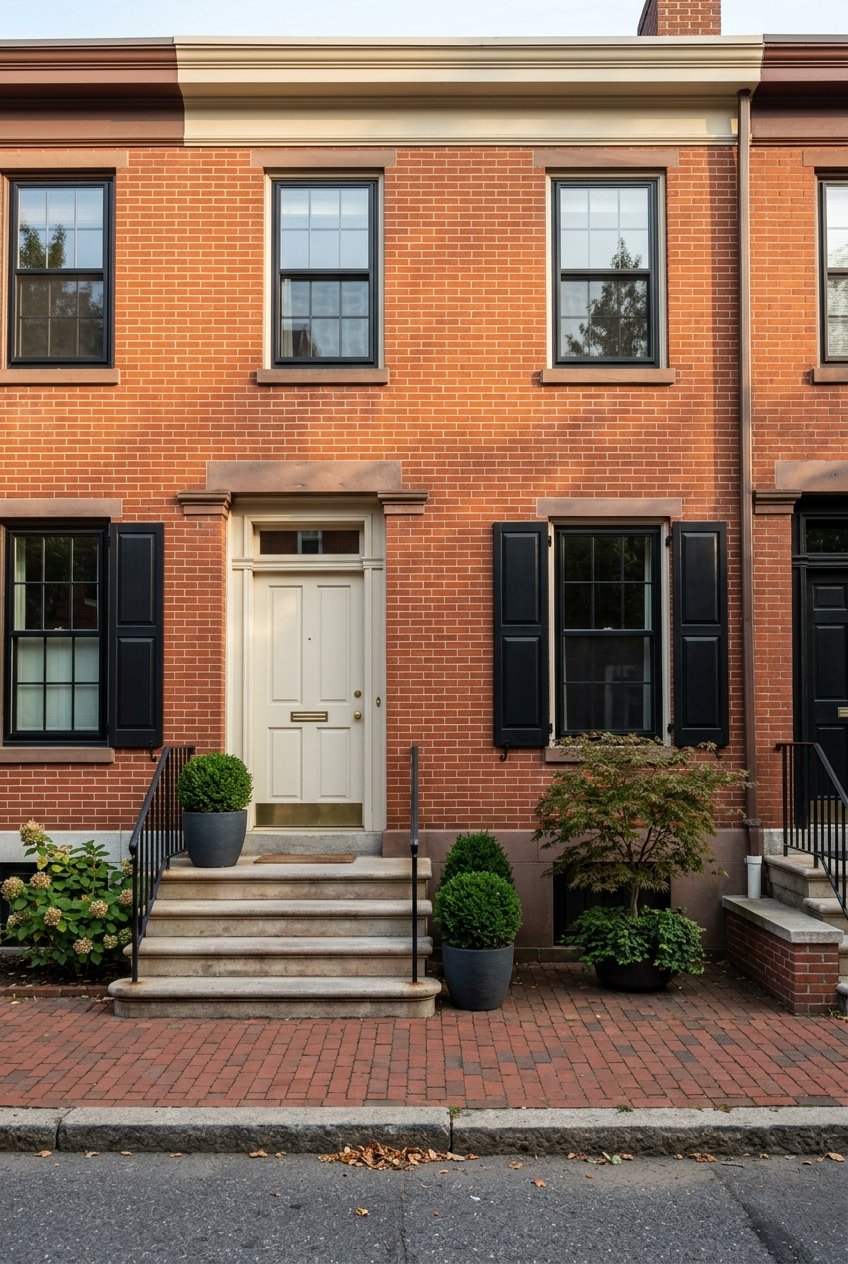
A rowhouse is an attached home joined on one or both sides to similar houses. In Washington, the form appeared early and became the dominant housing type in many inner-city neighborhoods. On Capitol Hill, that means you will often see a classic vertical layout instead of the wider footprint you might find in newer housing.
Historically, many DC rowhouses used a side-hall plan. The front room served as the living room or parlor, the dining room sat behind it, and the kitchen was at the rear or in a partially below-ground basement, with bedrooms upstairs. That pattern still influences how many Capitol Hill homes live today, even when they have been renovated.
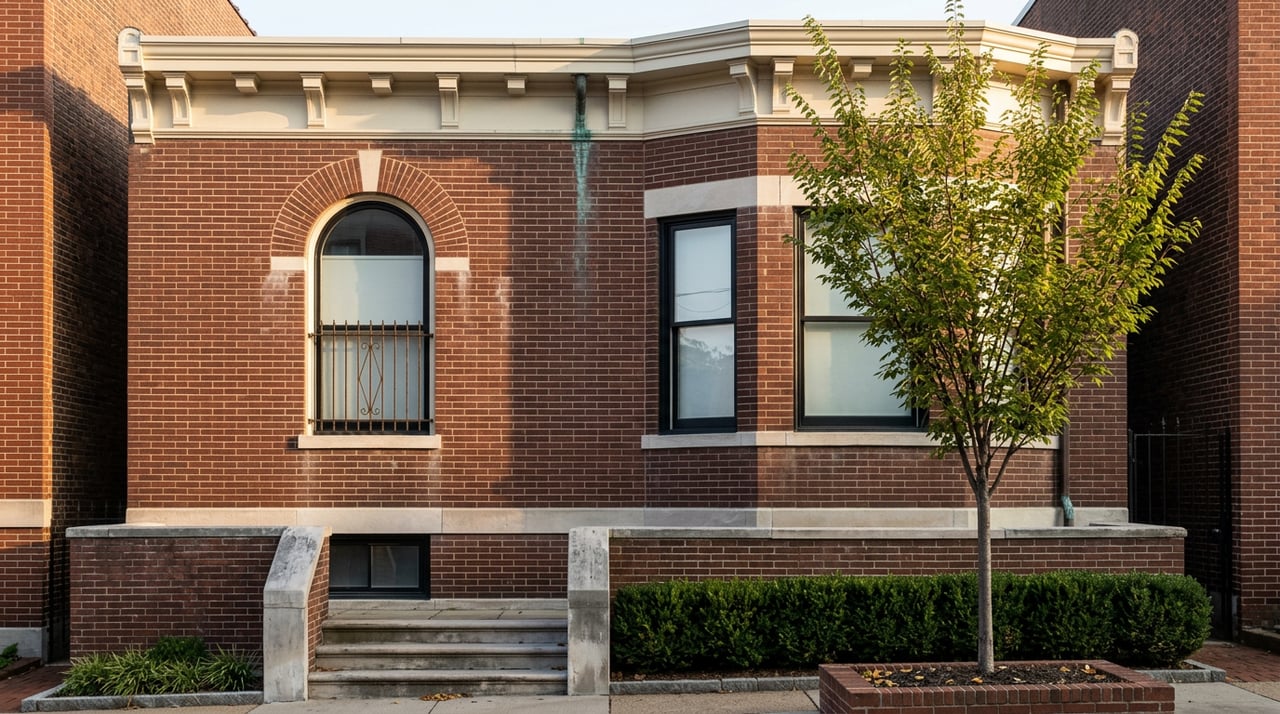
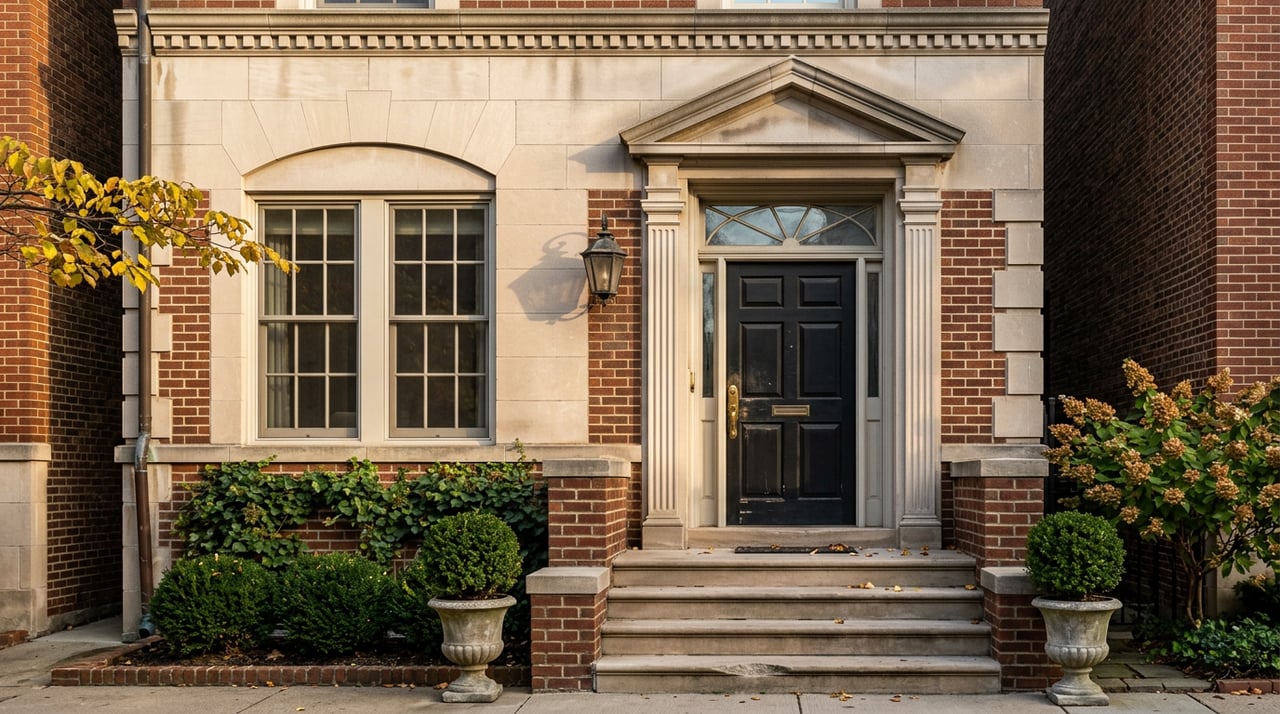
Capitol Hill’s housing stock is varied, but many homes are compact. The historic district includes many two-story brick dwellings with details like raised foundations, bays, cornices, sloped roofs, and occasional porches. Some documented houses are only about 12 to 12 feet 3 inches wide.
For you as a buyer, that often translates to three practical realities:
That does not make the layout better or worse. It simply means the house needs to match how you live. If you love defined spaces and historic character, it may feel just right. If you want a very open plan and minimal stairs, it may be a tougher fit.
Many Capitol Hill rowhouses reflect a major late-19th-century building boom, especially from 1885 to 1899, with more early-20th-century homes added later. That age is part of the charm, but it also affects ownership. You may be buying a home with original masonry, original or partly replaced windows, rear additions from later decades, older systems, or a mix of old and new interior updates.
This is where buyers benefit from being candid about tolerance for projects. Even a beautifully updated rowhouse can still have the realities of an older structure behind the walls. The goal is not to avoid old homes. It is to understand them before you commit.
The National Park Service’s guidance on rowhouse rehabilitation highlights recurring issues that come up in older homes. These include damp mortar joints, rotted windows, failing plaster, HVAC placement, and the challenges of making systems work in a historic structure.
That does not mean every house has every issue. It does mean moisture management, wood condition, window repair, and mechanical integration should be part of your due diligence mindset. In Capitol Hill, these are standard older-home topics, not rare surprises.
In Capitol Hill, windows are not just a maintenance item. They are part of the home’s historic character. DC’s window standards state that historic windows are important design features and that deteriorated elements should be repaired rather than replaced when feasible.
That matters for both aesthetics and planning. If you buy a rowhouse and later want to change visible windows, you may face tighter standards, especially on the front facade. Buyers who expect quick, broad exterior updates should understand that historic character often comes with design limits.
Because much of Capitol Hill’s housing stock predates 1978, lead-based paint is an important consideration. The EPA says homes built before 1978 are more likely to contain lead-based paint, and it reports that 87% of homes built before 1940 have some lead-based paint.
For most pre-1978 housing, sellers must disclose known lead information before contract signing, and buyers have a 10-day period to conduct a lead inspection or risk assessment. In a Capitol Hill rowhouse purchase, lead-safe renovation planning should be treated as a normal part of the process, especially if you are considering updates after closing.
Capitol Hill’s historic protections are a major part of ownership. In DC, preservation review is built into the normal permit process rather than handled as a completely separate permit. The Historic Preservation Office, or HPO, encourages owners to reach out before filing.
The good news is that the city says more than 95% of preservation-related permit applications are handled through the expedited HPO process. In-kind repair and replacement, small additions, and minor alterations that do not affect character can often be addressed there. Larger or more sensitive projects may go to the Historic Preservation Review Board.
Routine maintenance, interior alterations, and non-structural interior demolition are generally exempt from preservation review. Exterior work that needs a building permit is where review often comes into play.
Common examples include:
The standards are generally stricter on principal facades and more flexible on secondary elevations. If you are dreaming about a rear addition or a visible exterior redesign, it is smart to understand that process early.
Capitol Hill rowhouse living tends to work best for buyers who value historic character, walkability, and a home with a strong sense of place. If you like the idea of living in a house that has evolved over time and may continue to evolve carefully, this housing type can be deeply rewarding.
It can be a less natural fit if your top priorities are very large open rooms, easy exterior changes, or low-maintenance ownership with fewer older-house questions. The best match usually comes down to expectations. When you know what this housing stock offers, you can shop with much more confidence.
When you are comparing rowhouses, try to look beyond finishes alone. A pretty kitchen matters, but so do layout, stair flow, natural light, basement function, window condition, and how the home has been updated over time.
It also helps to think in layers:
This is where candid local guidance matters. In a neighborhood as specific as Capitol Hill, the right advice can help you separate cosmetic appeal from long-term fit.
Buying a historic rowhouse in DC is rarely a plug-and-play decision. You are evaluating architecture, condition, layout, neighborhood context, and, in some cases, future permit constraints all at once. That is especially true if you are relocating, buying remotely, or purchasing your first older home.
A thoughtful advisor can help you assess not only whether a house is attractive, but whether it fits your goals, budget, and tolerance for upkeep. In a market where preparation and clarity matter, that kind of grounded guidance can make the process feel much more manageable.
If you are considering a Capitol Hill rowhouse and want clear, strategic guidance tailored to how you live, the Vassar Broermann Group can help you evaluate the options with candor, neighborhood insight, and a steady hand.
September 17, 2026
September 17, 2026
September 10, 2026
September 3, 2026

August 27, 2026
August 20, 2026
August 13, 2026
August 6, 2026
July 23, 2026
Get assistance in determining current property value, crafting a competitive offer, writing and negotiating a contract, and much more. Contact us today.