Kalorama's Median List Price Is $2.27 Million. Almost No One Pays It.
August 13, 2026
August 13, 2026
In May 2026, the median list price across Kalorama was $2.27 million. That single number blends listings that have ranged from studio condos priced near $200,000 to mansions that have closed above $9 million, and treating it as one price point is how buyers end up confused about what they can actually afford in this neighborhood, or worse, misjudge the risk sitting inside a listing that looks move-in ready.
Kalorama is not one market. It's three, stacked inside the same zip code, and the historic preservation rules that govern renovation there don't work the way most buyers assume. Understanding both of those things before you tour a single house changes what you're actually comparing when you weigh Kalorama against Bethesda, Cleveland Park, or any other close-in neighborhood on your list.
Kalorama splits into distinct historic districts with separate designation dates, separate architectural character, and separate price behavior. Sheridan-Kalorama was designated a historic district in 1989 and covers 610 contributing buildings from a period of significance running 1890 to 1945. Kalorama Triangle was designated two years earlier, in 1987, and covers 353 buildings from 1893 to 1939. They sit next to each other on a map. They do not sit next to each other on a spreadsheet.
Here's what that split looks like in recent numbers:
| Submarket | Housing stock | Price signal | Days on market |
|---|---|---|---|
| Kalorama Triangle | Condos, co-ops, converted rowhouses | Median home price around $515,000, average sale price around $810,000, as of March 2026 | About 39 days for condos |
| Sheridan-Kalorama | Detached mansions, Wardman-designed rowhouses | Median list price around $2.275 million, averaging $715.82 per square foot, in a snapshot taken in February 2026 | Averaging around 109 days |
Those two rows alone are enough to break the average apart. Sheridan-Kalorama's own top end pulls even further away from its median: individual closed sales there have reached $9.35 million for a 12,267-square-foot home that closed in December 2024, $9.14 million for a 10,292-square-foot home that closed in August 2024, and $8.575 million for another large home that closed in April 2025.
A third character sits along the Massachusetts Avenue corridor, known locally as Embassy Row, where the housing stock shifts toward chanceries and ambassador residences rather than owner-occupied homes for sale. That stretch pulls the neighborhood's identity toward diplomacy even where it doesn't add many transactions to the resale count.
A studio or one-bedroom condo in a former apartment building can start well under $300,000. A Sheridan-Kalorama mansion can close north of $9 million. Average those together and you get a number that describes neither buyer.
The gap isn't random. It tracks the housing stock directly. Kalorama Triangle's building boom followed the arrival of streetcar lines around 1900, producing apartment buildings and rowhouses built for middle-class Washingtonians. Many of those buildings later converted to condos and co-ops, which is why the Triangle's price point and 39-day pace look more like a typical DC condo market than a luxury enclave.
Sheridan-Kalorama's housing stock tells a different story. The neighborhood's Beaux Arts mansions and grand apartment buildings were built for Washington's elite before the Great Depression, and the 109-day average days on market reflects a genuinely thinner buyer pool. There are fewer of these homes, they cost more, and the buyers who can write that check are less common and less rushed.
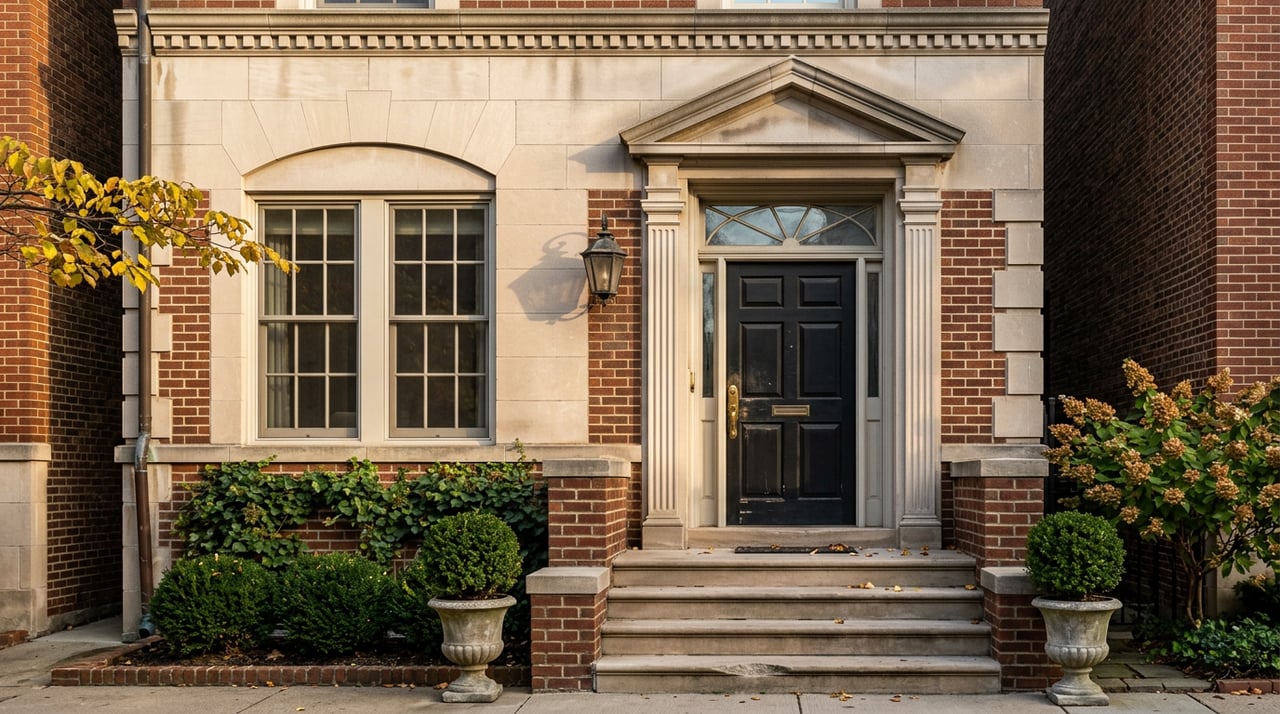
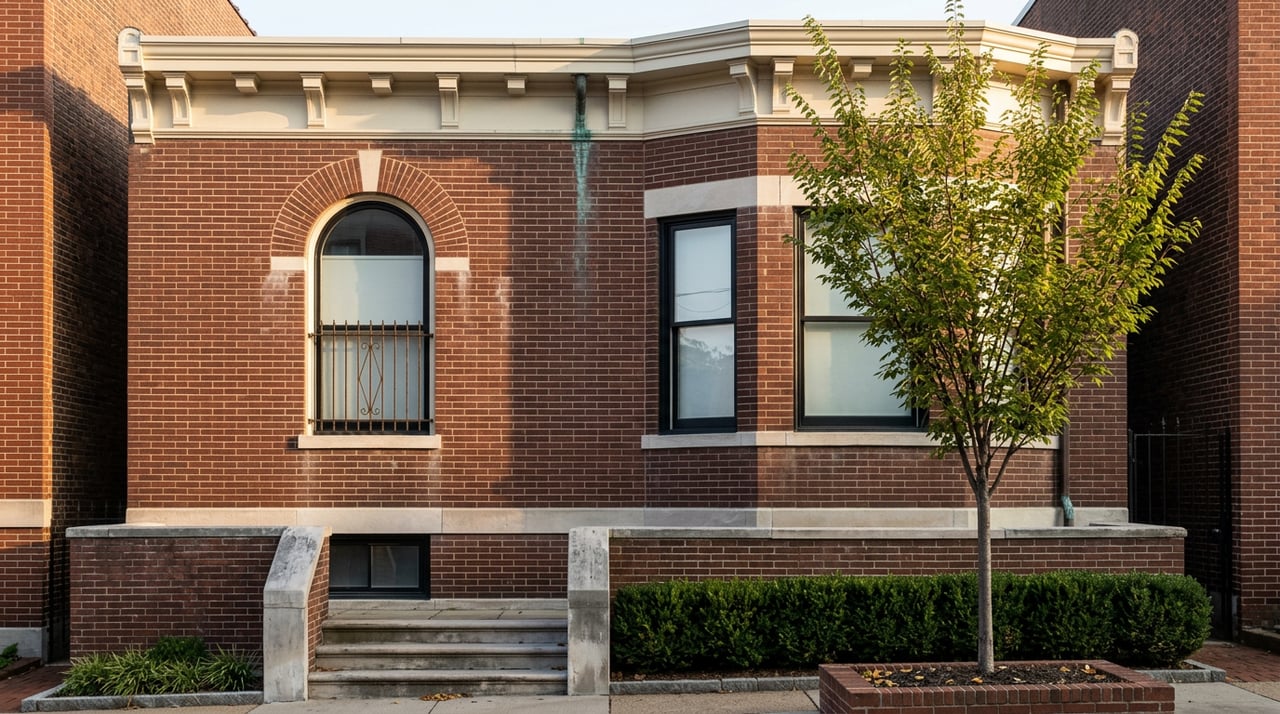
Named buildings in the neighborhood make the split concrete. The Brighton is a Beaux Arts building from the early 1900s. The Somerset, a 16-foot-8-inch-wide brick and limestone rowhouse designed in 1918 by DC architect George Thomas Santmyers, sits at the upper end of the rowhouse tier. Wardman-designed townhouses overlooking Kalorama Park occupy a middle ground between condo and mansion pricing. Each of these represents a different buyer, a different financing conversation, and a different renovation risk profile, which is the part most listing descriptions don't spell out.
Here's the mechanism that catches buyers off guard. Washington's Historic Preservation Review Board doesn't regulate a renovation based on how big or expensive it is. It regulates based on whether the change is visible from a public street, sidewalk, or alley. That single distinction does more to shape what a Kalorama renovation actually costs in time than square footage or budget ever will.
Interior work in a contributing building generally bypasses the board entirely. Kitchen gut renovations, bathroom rebuilds, basement finishing, updated electrical and plumbing, even structural changes that open up a floor plan, none of that typically triggers a Historic Preservation Review Board submission if it can't be seen from the street. The HPRB meets monthly, with August off the calendar entirely, and staff-level approvals for routine work can turn around in as little as one to three days after a referral.
Exterior work is a different process. Window replacement, door changes, roofing material, additions, and any modification to a stoop or facade in a contributing building requires board review before work starts. A rear addition that stays out of view from the public right of way draws far less scrutiny than the same square footage added to the front of the house. The board's jurisdiction is about sightlines, not scope.
Most buyers walk into a historic district assuming the dated kitchen and the outdated bathroom are the risk, and the pristine facade is the safe part. In Kalorama, it's closer to the opposite.
A home with an untouched, contributing facade and a kitchen that hasn't been updated since the Reagan administration is often the lower-risk buy. The interior work, however extensive, moves on a contractor's timeline rather than a board's calendar. A home where a previous owner already altered something visible from the street, added a bay window without approval, replaced original sash windows with a style the board wouldn't currently approve, or built an addition that pokes into view from the sidewalk, carries a different kind of risk. That risk doesn't show up in the listing photos. It shows up when a buyer wants to make their own changes and discovers the property already has an unresolved compliance question sitting in its history, or that any further exterior work has to route around what's already there.
This matters most for buyers planning to renovate right after closing. A dated interior behind a compliant facade is a known, schedulable project. An altered exterior is an unknown one, and unknowns are what turn a six-month renovation into a year-long one.
A few questions worth asking before you fall for a listing photo:
None of these questions show up in a standard home inspection. They belong in due diligence before an offer, not after one.
Zoom out and the citywide picture gives useful context for how Kalorama fits into a broader DC search. Year to date through the middle of 2026, the DC metro market's median sold price is up modestly to around $649,000, average days on market climbed from 26 to 31 days, and the average sold-to-list price ratio softened slightly from 99.4% to 99.0% compared to the same point last year. That's a market shifting toward balance, not one favoring aggressive discounting.
Kalorama's Sheridan-Kalorama tier moves slower than that citywide average by design, not by weakness. Thin inventory and a small buyer pool for multi-million dollar historic mansions produce longer marketing periods regardless of overall market conditions. The Triangle's condo tier moves closer to typical DC pace. Knowing which tier you're actually shopping in tells you whether a 100-day listing is a red flag or simply normal for that price point.
Buyers relocating from outside the region, or comparing Kalorama to close-in Maryland and Virginia suburbs without the same historic district overhead, should weigh the renovation timeline difference honestly. A suburban single-family home might let you gut and expand on your own schedule. A Sheridan-Kalorama or Kalorama Triangle contributing building adds a review layer to anything visible from the street, and that layer is worth pricing into your decision before you write an offer, not after.
Does HPRB review apply to condo units inside historic buildings, or just single-family homes? It applies to the building as a whole when the building itself is a contributing resource. An individual condo owner making interior changes within their unit generally doesn't trigger review, but any exterior change to the building, even one proposed by a single unit owner, typically requires board or staff involvement, along with whatever the condo or co-op association's own rules require.
How long does a full HPRB review realistically take? Routine, staff-approvable work can be turned around in a matter of days after referral. Larger projects that require a hearing before the full board follow the board's monthly meeting schedule, with no meeting in August, so timing a purchase around when you need approval matters more in Kalorama than in a non-historic neighborhood.
Are Kalorama Triangle and Sheridan-Kalorama really governed by different rules? They're governed by the same preservation framework but designated as separate historic districts with different dates and different periods of significance. In practice, that means the same category of exterior change can be evaluated against a different historical baseline depending on which side of the neighborhood you're in.
Reading a Kalorama listing takes more than a median price and a photo of the facade. If you're weighing this neighborhood against other close-in DC options, or trying to figure out what a specific property's renovation timeline actually looks like, the Vassar Broermann Group can walk through the details with you and help you get a clear picture of what your own home is worth in today's market. Get a free home valuation to start the conversation.
September 17, 2026
September 17, 2026
September 10, 2026
September 3, 2026
August 27, 2026
August 20, 2026
August 13, 2026
August 6, 2026
July 23, 2026
Get assistance in determining current property value, crafting a competitive offer, writing and negotiating a contract, and much more. Contact us today.